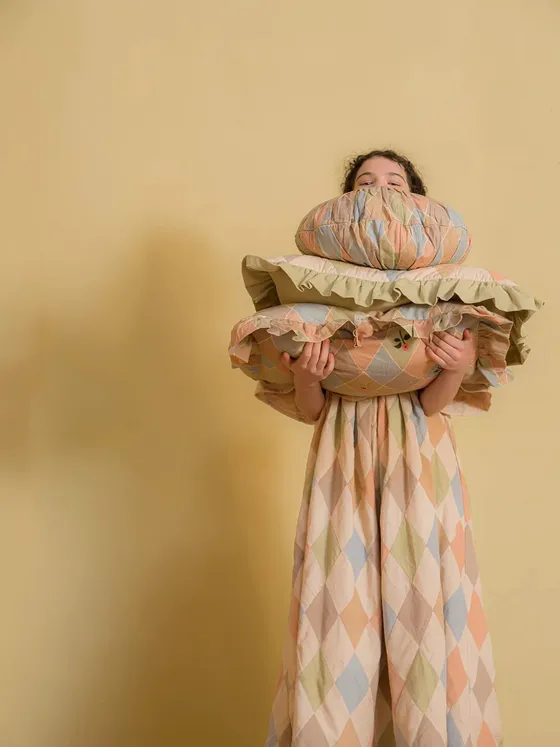
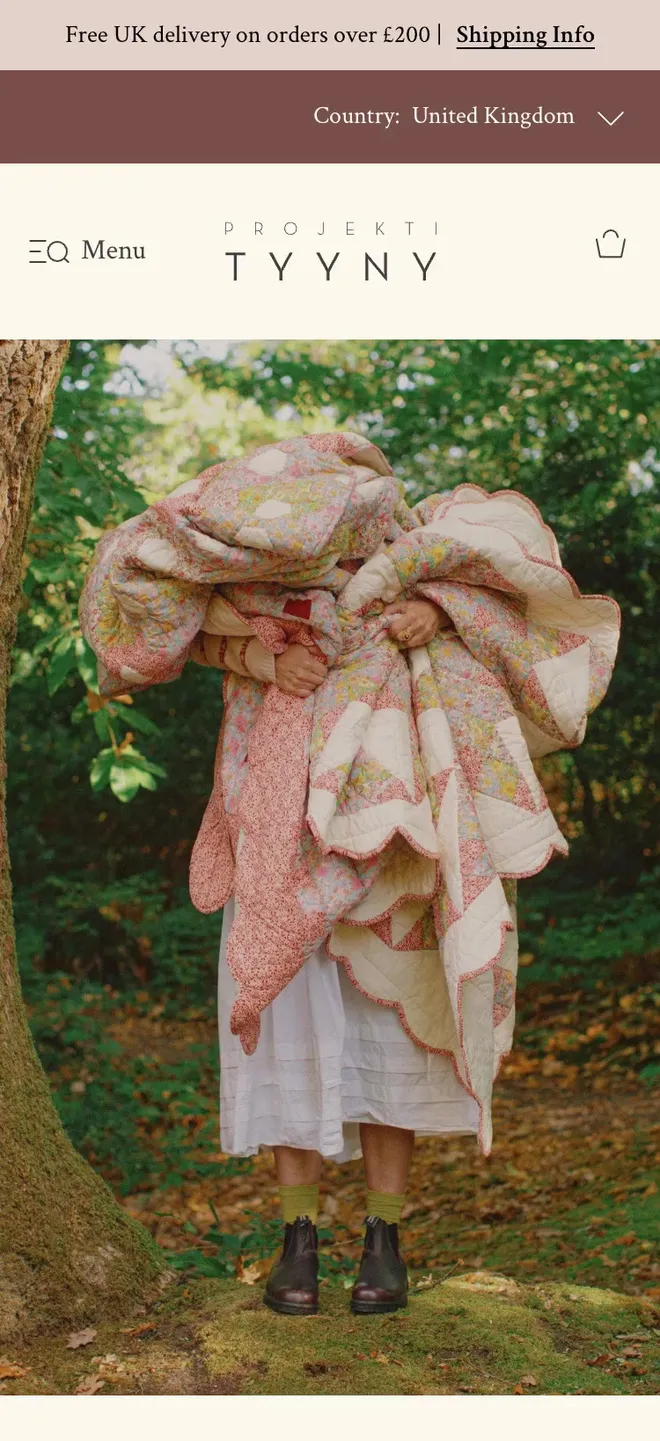
Projektityyny. A mobile-first store launch for a Nordic-inspired textiles brand


I'm Anthony Bliss, a freelance Shopify designer in Falmouth, Cornwall, designing Shopify and Shopify Plus stores for UK DTC brands.
 5.0(6 reviews) on Google
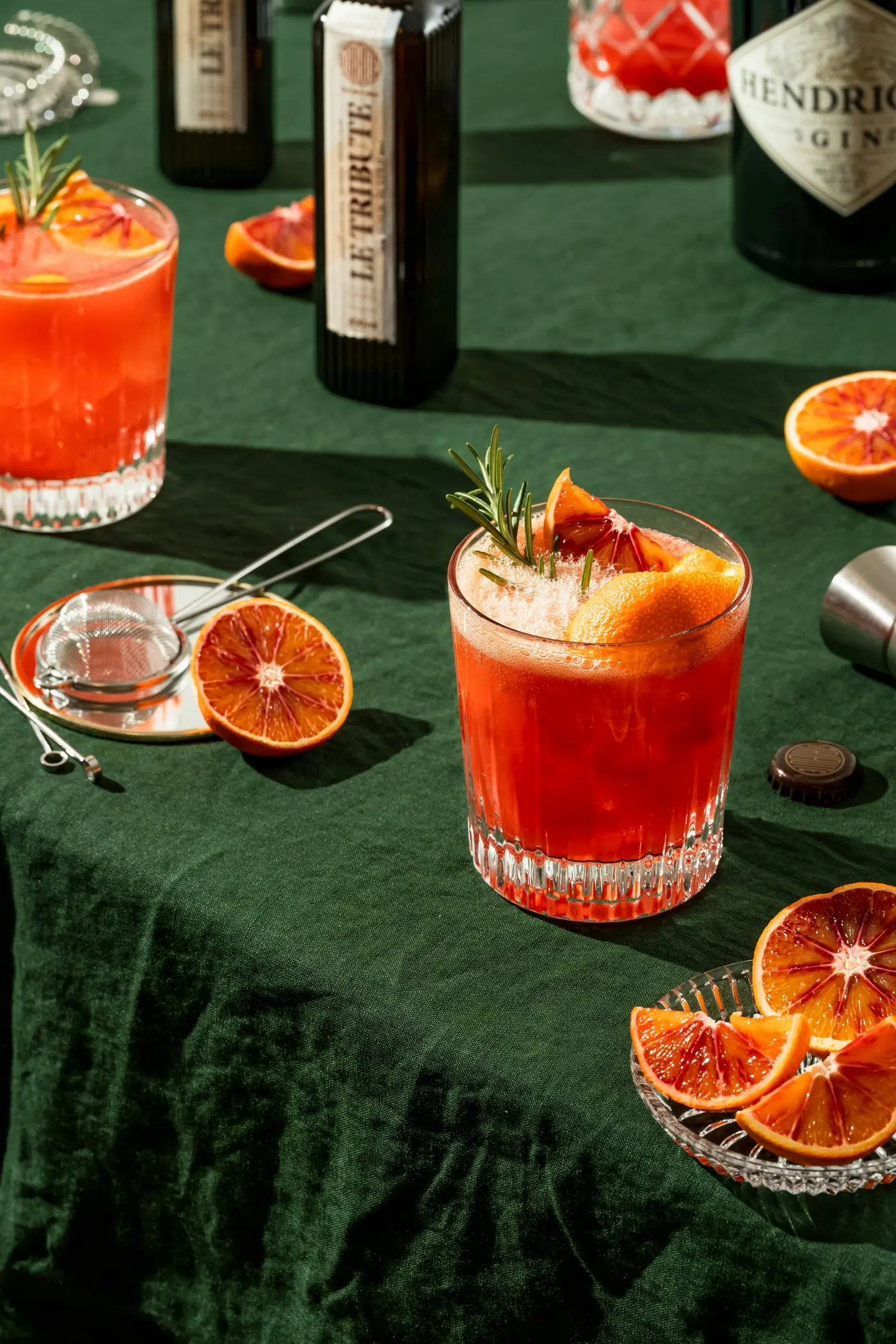

Food & drink · August 2025
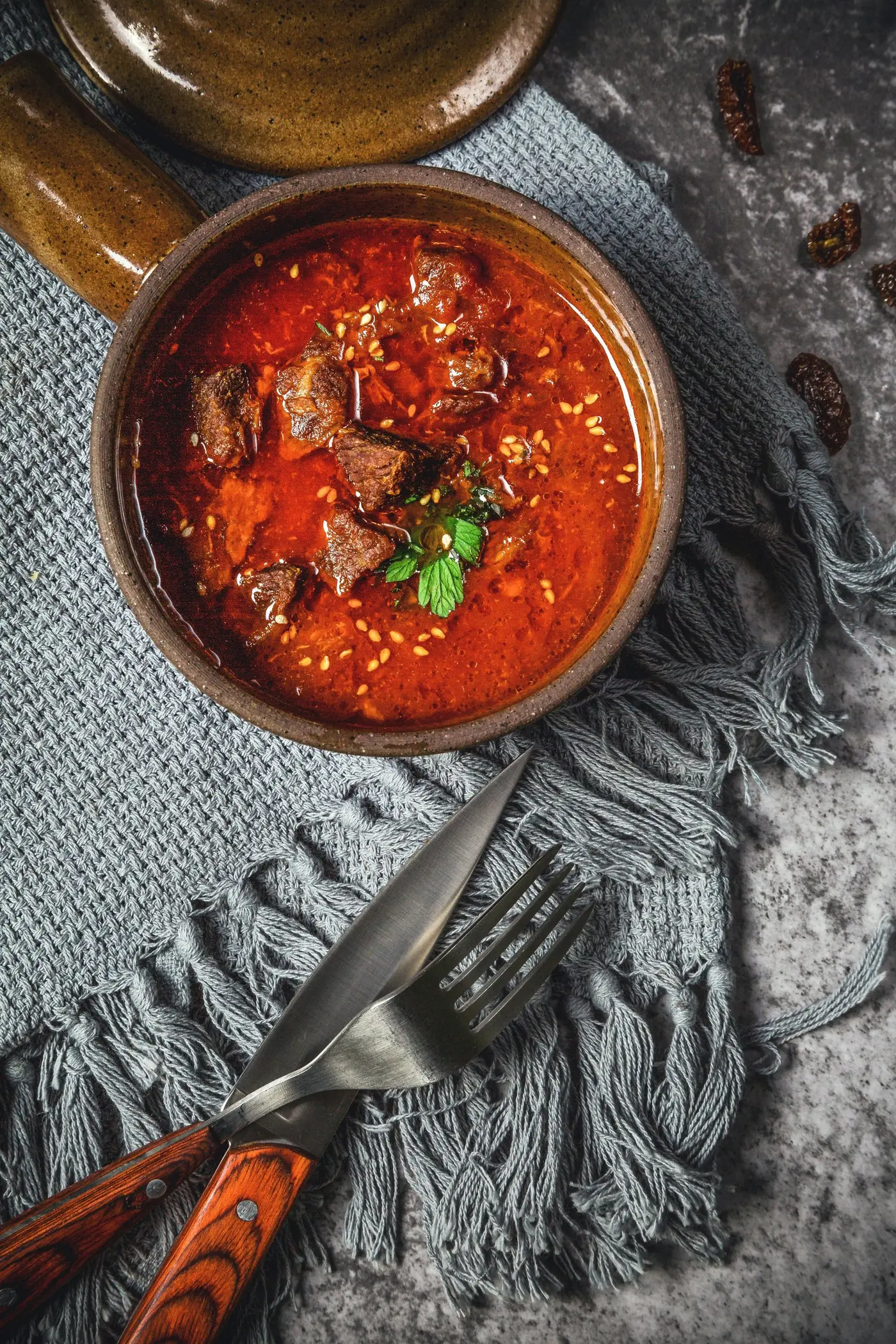
Food & drink · October 2025
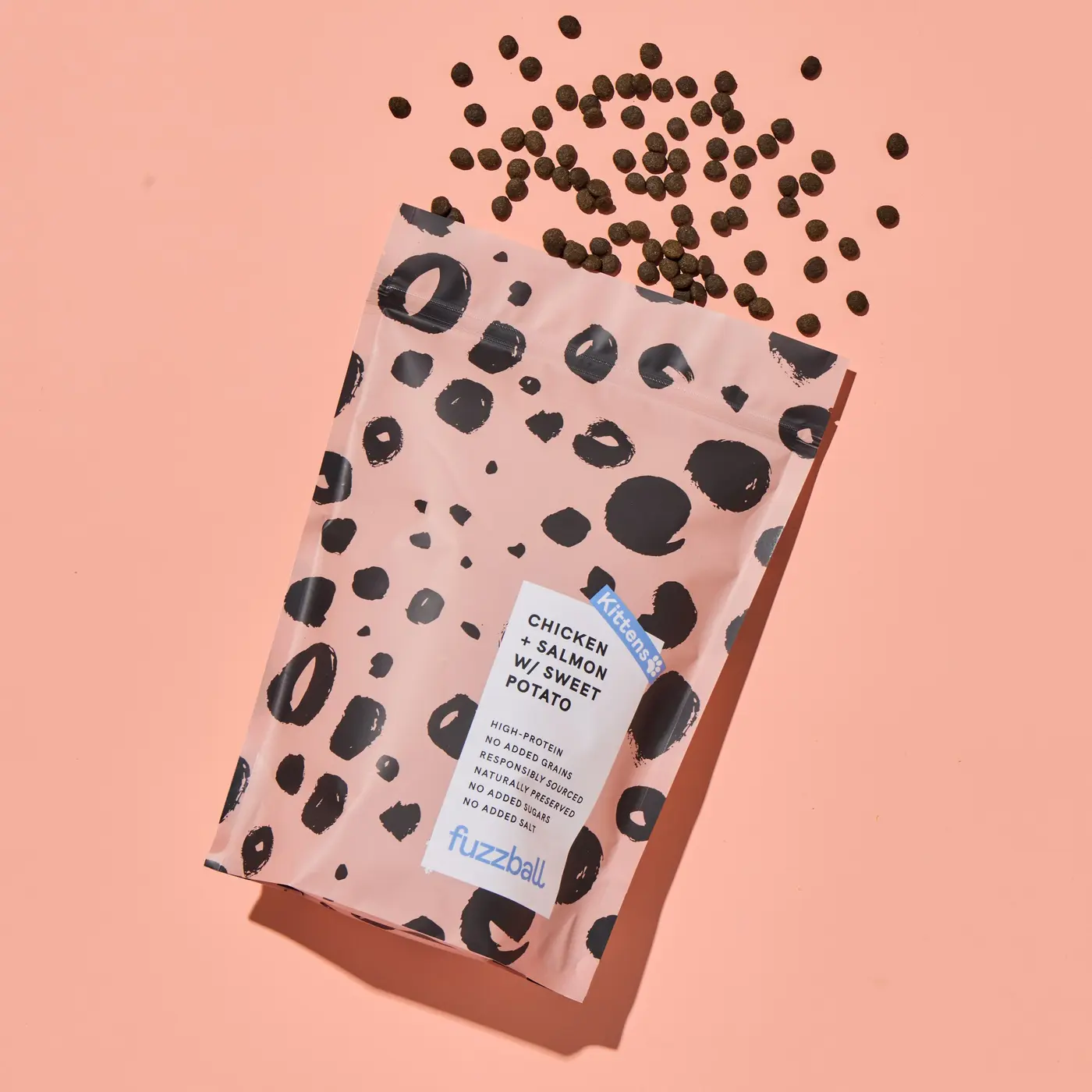
Pets · August 2025
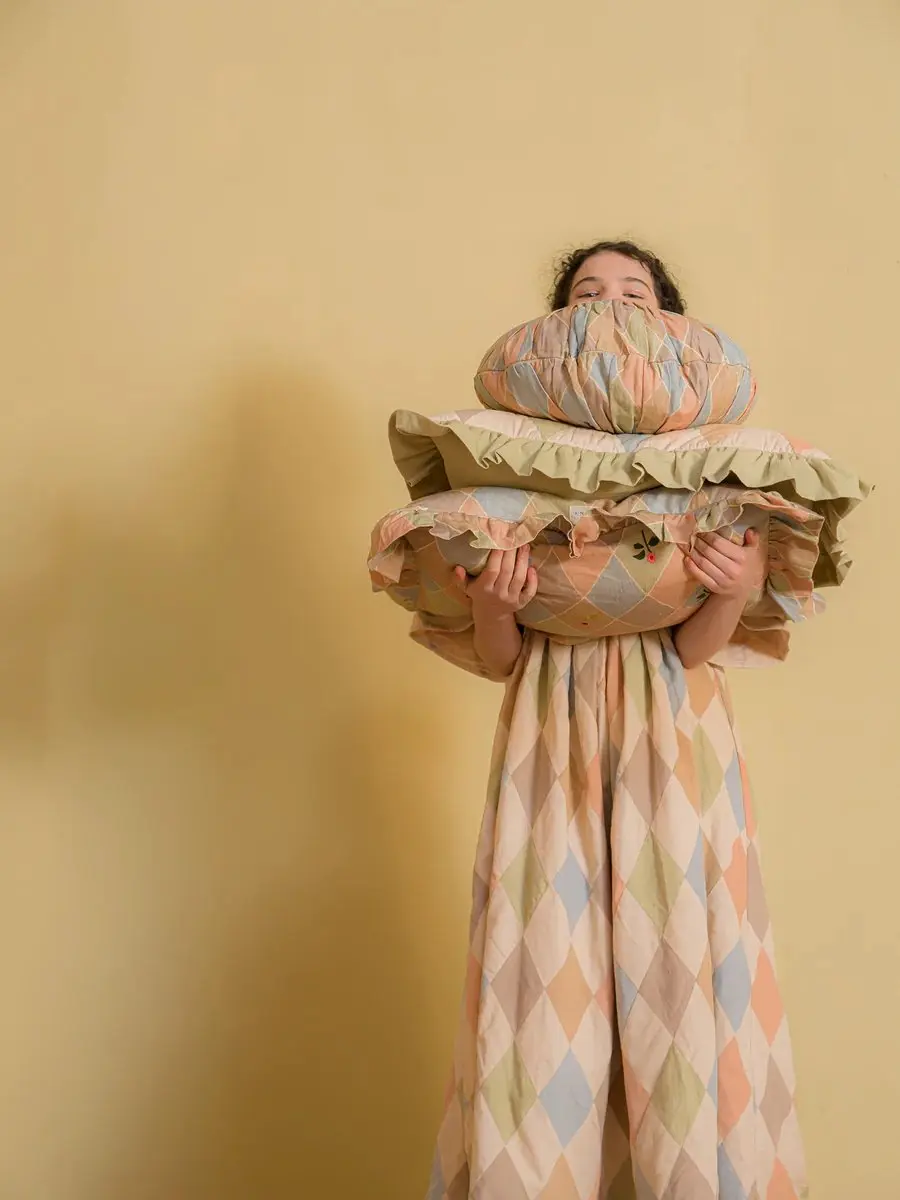
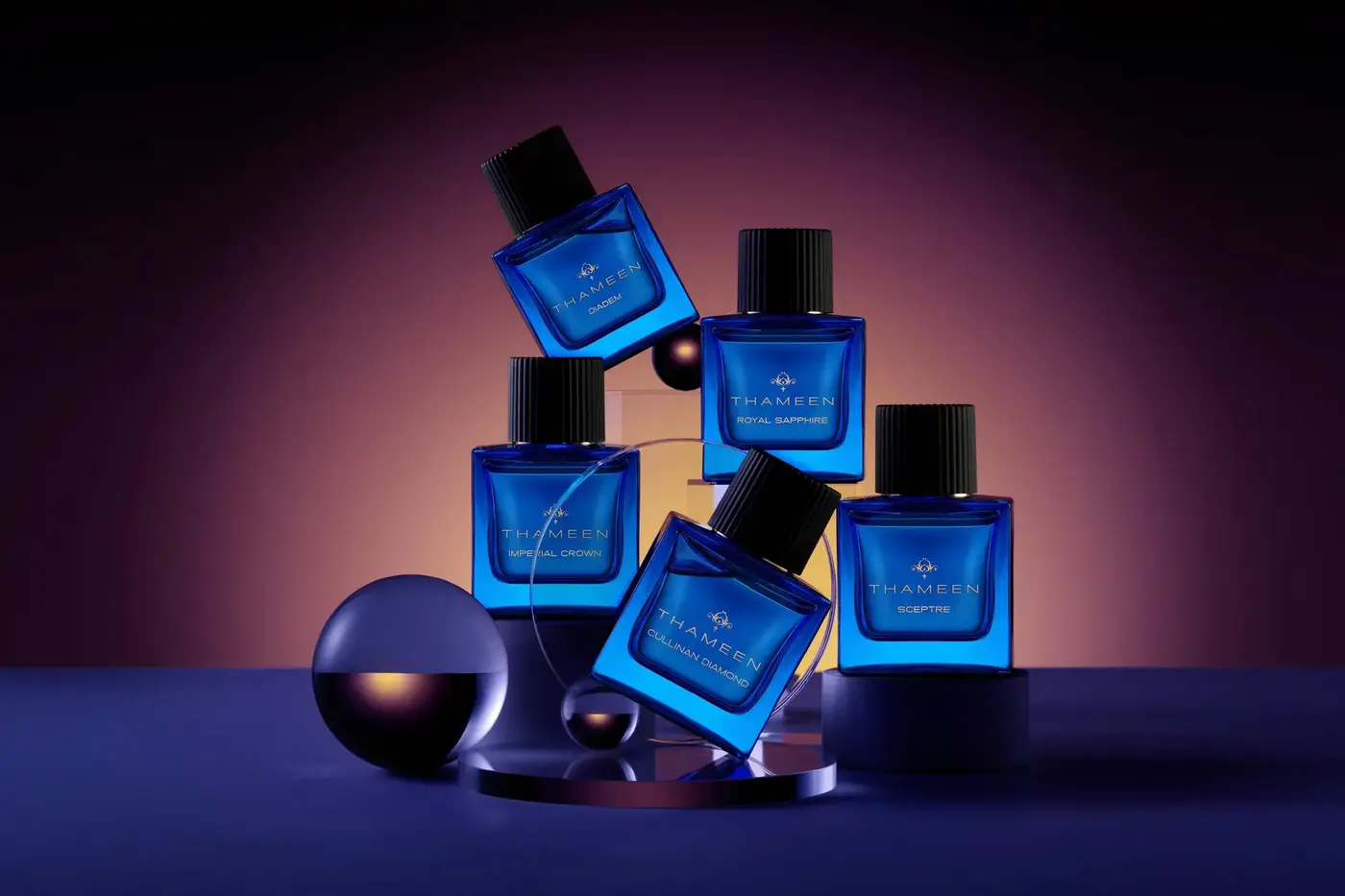
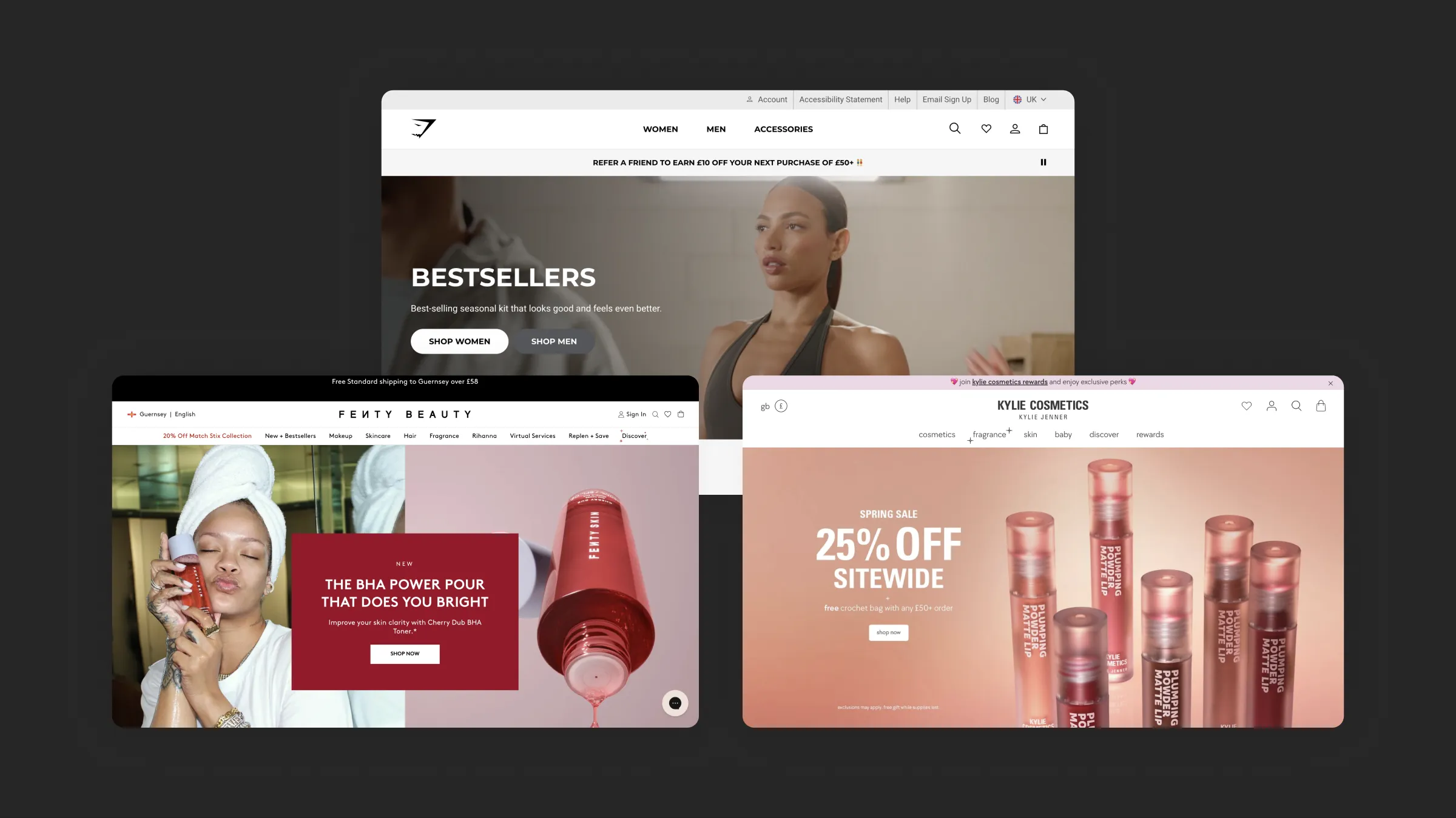
Beauty · March 2026
I've designed for Dyson, Wrangler, Drink Finder and East at Home, with no set style and no favoured sector. Every logo opens the work I did for that brand.


Ecommerce brand identity work.

Better journeys and bespoke experiences.
The journey and design bespoke to your brand.
Moving from Magento, WooCommerce or Wix.
Premium themes, made to look bespoke.
Find why customers leave, then fix it.
Subscriptions people don't cancel.
Stores agents like ChatGPT can find and recommend.

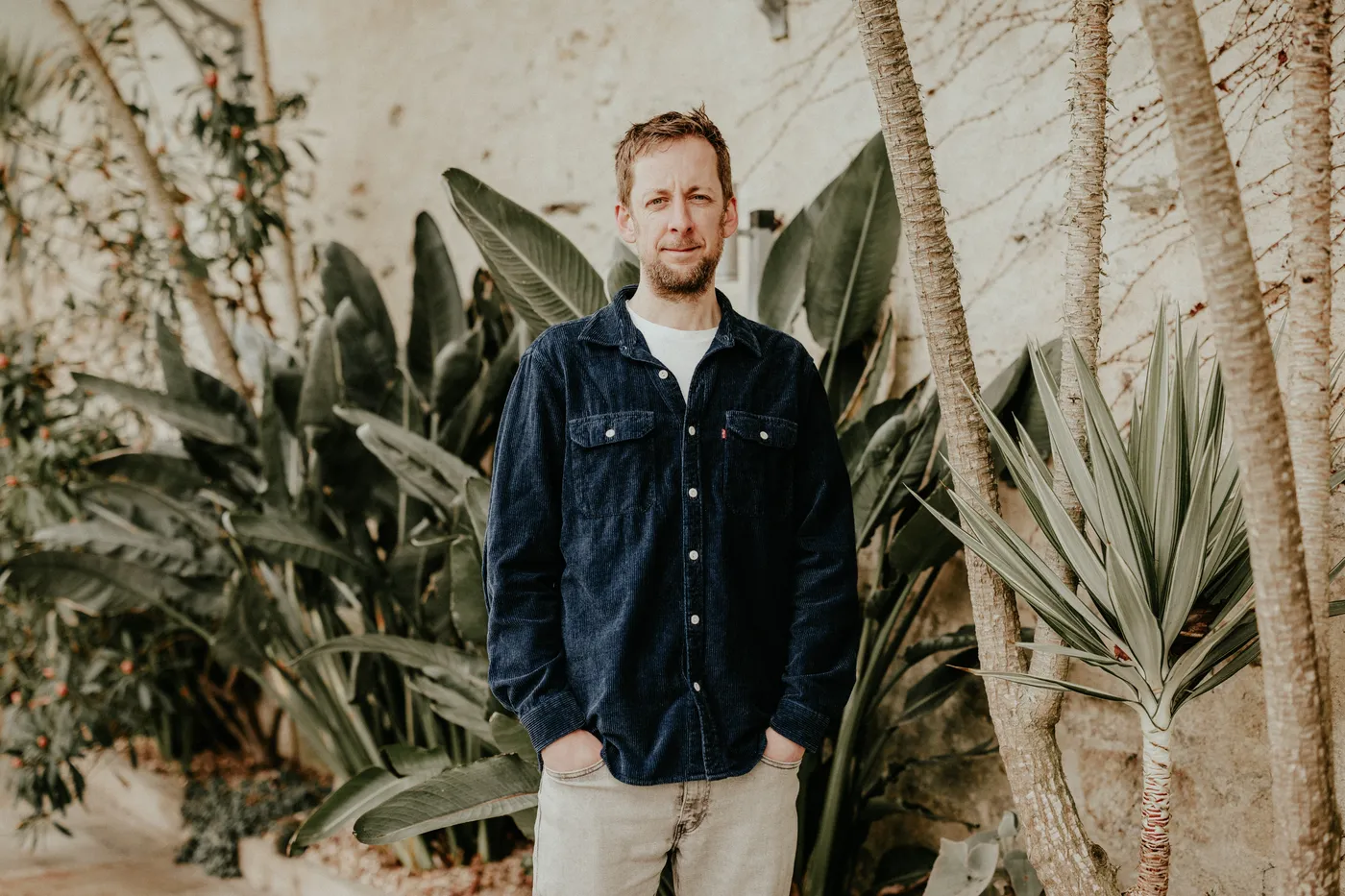
I'm Anthony Bliss, a freelance Shopify designer based in Cornwall, UK, and the designer behind Drink Finder, UK eCommerce Website of the Year 2026. I started my career in brand identity across Bath and Bristol before moving into digital, and since 2020 I've focused exclusively on Shopify, working with DTC brands across the UK on everything from bespoke store builds to CRO and UX improvements.
Before specialising in ecommerce, I spent just over three years as a freelance senior digital designer at Dyson, overseeing complete campaigns for new product launches. I then moved to Cornwall and spent five and a half years inside a Shopify agency in Falmouth, eventually progressing to Creative Director. Going independent was a deliberate move to bring all of that together and work directly with clients myself.
Most Shopify designers come from a web background. I bring ten years of brand identity, Dyson's global product launches and agency-level Shopify knowledge, all applied directly to your store. You can see the results in my Shopify case studies.
I work with a small number of clients at a time. There's no account manager, no handoffs, no team you've never met. When you work with me, you work with me. From the first conversation to the final sign-off.
A call about your business needs, then a UX review of your live store (if the project needs one). From there I'll tell you honestly whether a theme customisation or a bespoke store is the right fit, even when that's the smaller job.
Options first, then the details, mobile first. Bespoke stores are designed in Figma. Theme customisations mix both: the key templates, like the header and product page, in Figma, and the rest straight into the theme.
Every screen tested on real phones, tablets and desktops before launch, then checked again once the store is live.
I check conversion rate and average order value at one, three and seven days, then keep improving if you want to.
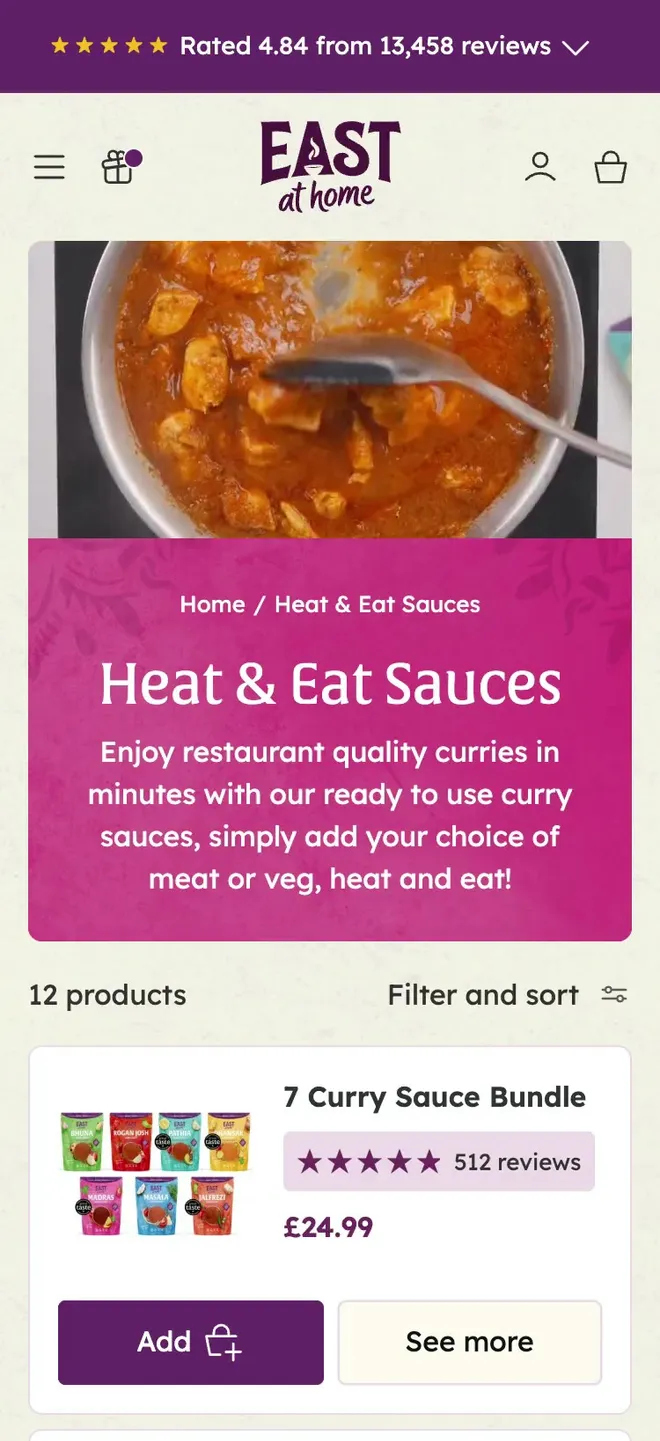
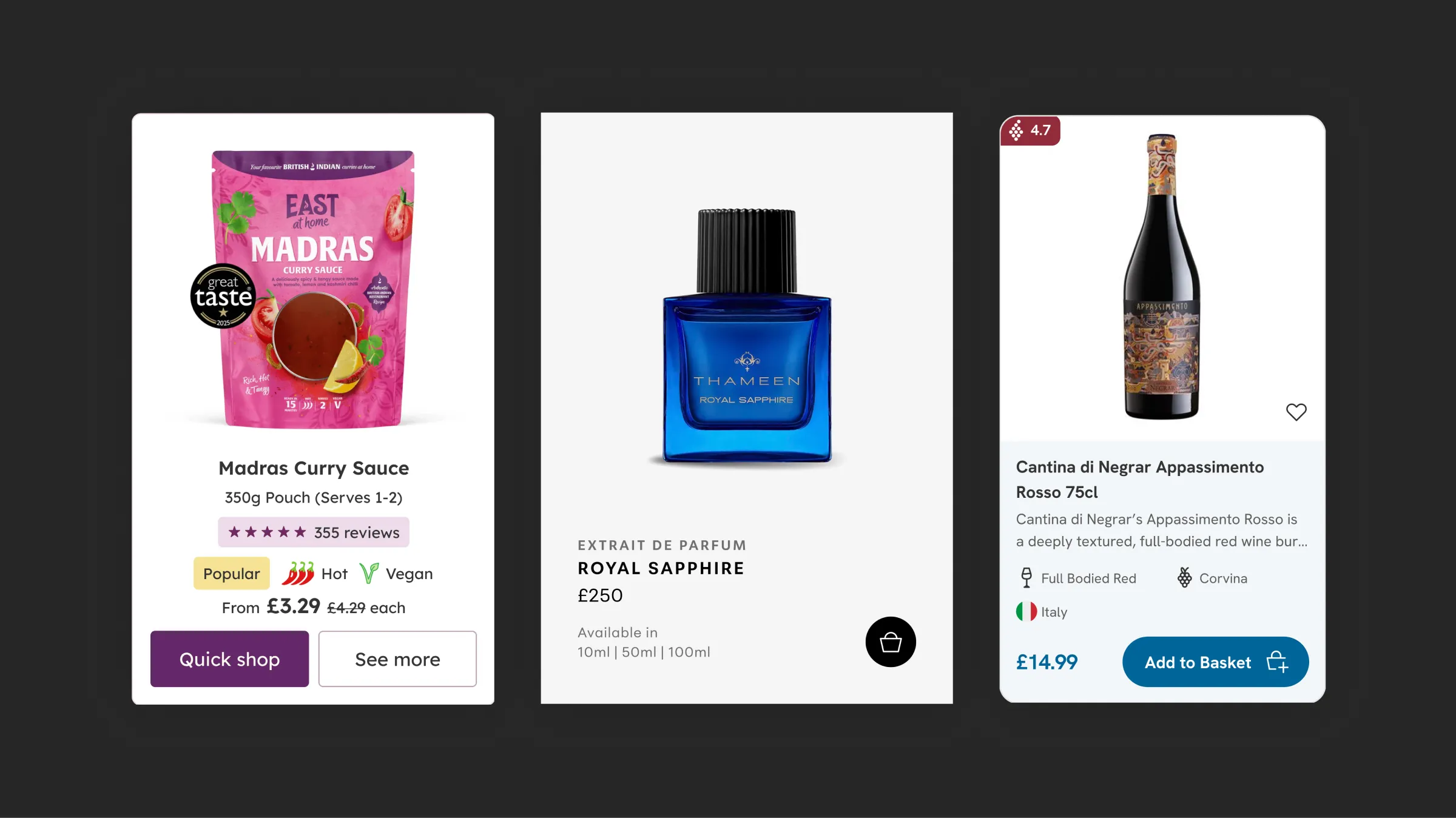
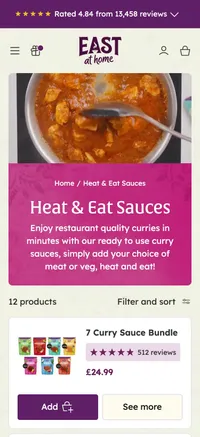
Every card shows spice level, dietary needs and flavour, in a list built for comparing on mobile.
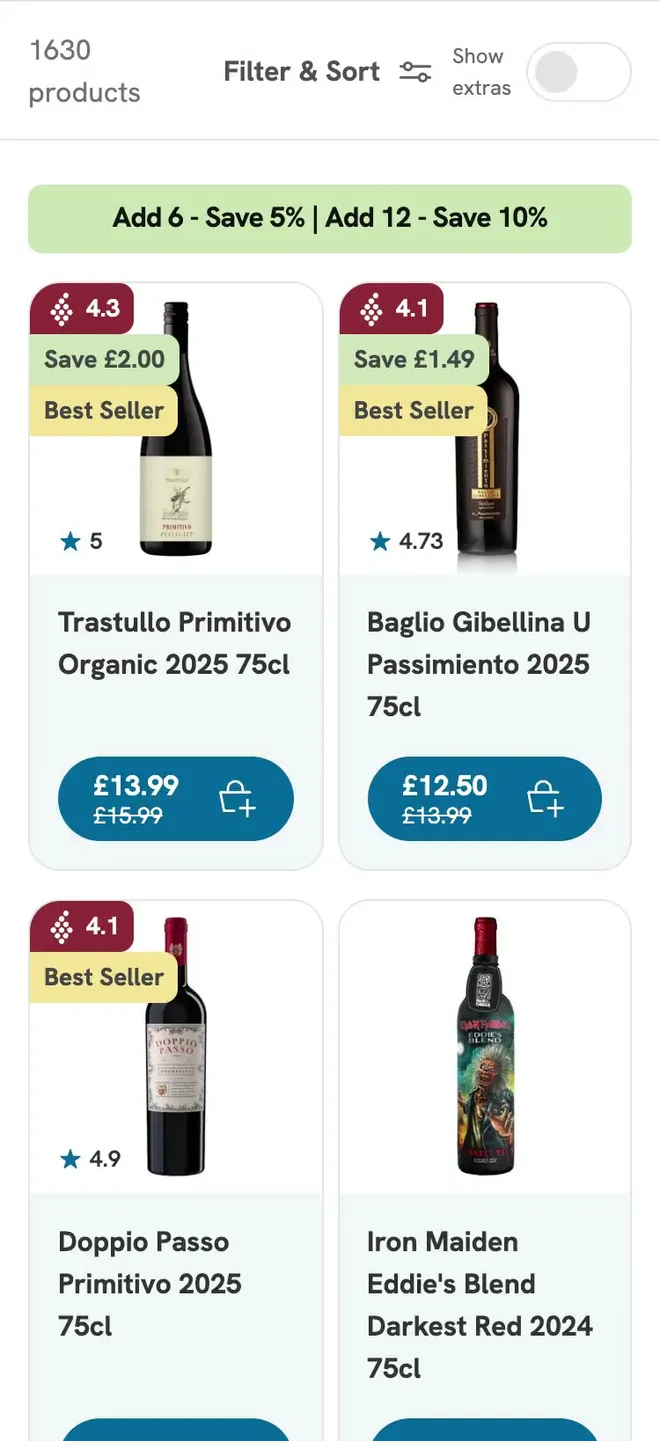
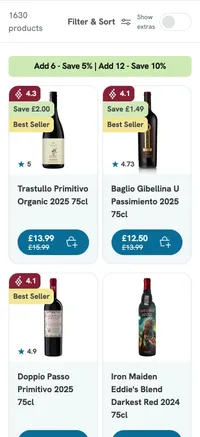
Expand origin, region and vintage to compare bottles side by side, without leaving the collection page.
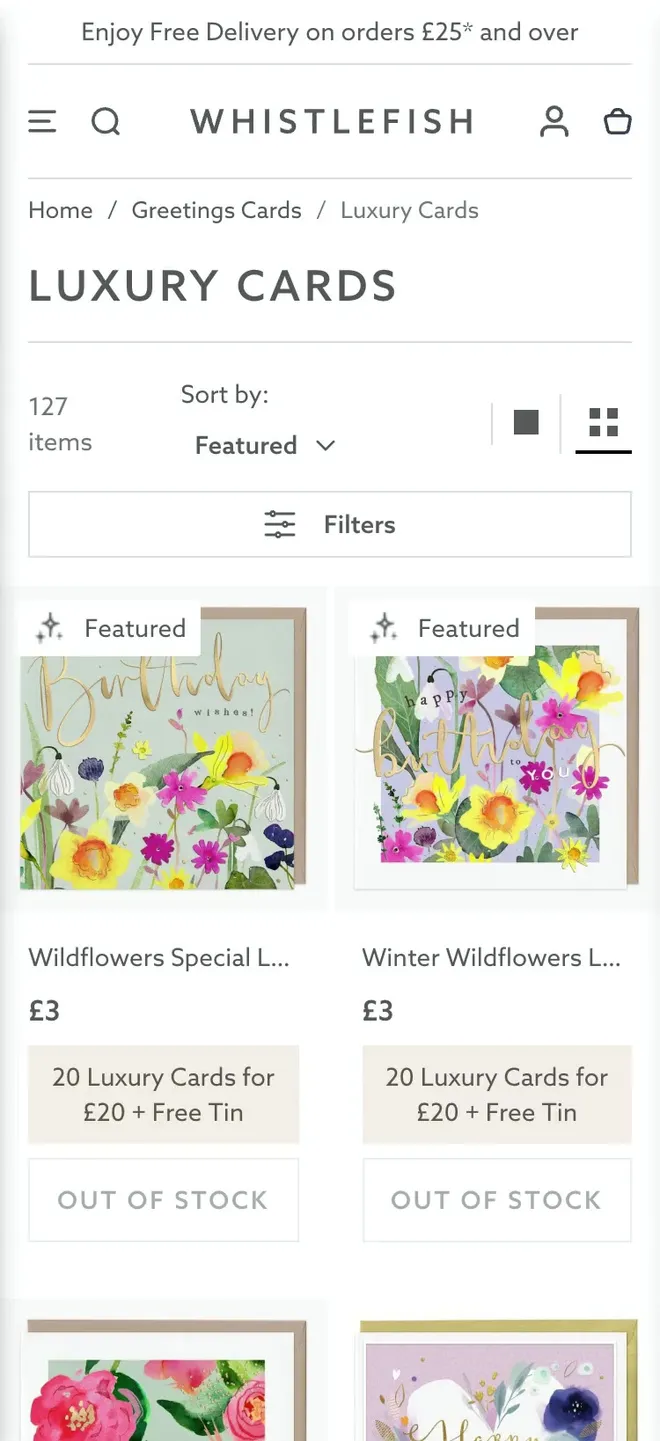
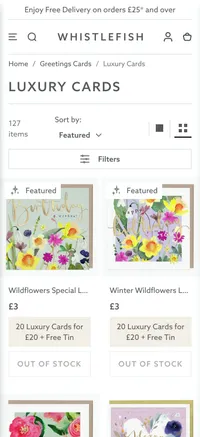
Product names truncated on purpose, because nobody buys a greeting card for its name.
“He was a joy to work with, a true craftsman who takes pride in his work with expert knowledge and delivers amazing results.”
Ali Zaman, Owner, East at Home · 2026“He didn't just give us a facelift; he built a platform that performs.”
Jon Wigmore, Marketing & E-Commerce, Constantine Stores Ltd, home of Drink Finder · 2026“He has an incredible eye for design and functionality, two skills that you rarely find in the same person.”
 Jaideep Shah, Director, Zen Maitri · 2025
Prices and timelines checked September 2026.


A store design starts from £5,000 + VAT for a theme customisation and £10,000 + VAT for a bespoke store. Smaller projects, like branding or a CRO project, start from £3,000 + VAT. All prices are for design only. The chosen developer quotes the build separately.
A theme customisation redesigns inside a premium theme, so the price depends on how far the theme needs pushing and how many templates change. A bespoke design starts from scratch, so it depends on how many page templates and bespoke sections you need, and also whether the brand needs refining first.
Each service page has more granular details.
Six to eight weeks for a bespoke store design, with the build taking about the same again. A theme customisation takes six to ten weeks, build included. The biggest roadblocks from experience are timely feedback and client content, so having real copy and images early makes the most difference. I'm usually booked one to two months ahead.
No. I'm a Shopify web designer, not a developer, which keeps my full attention on the design. The build is done by your own developer or agency, or by one of the Shopify developers I've worked with for years. You pay the developer directly, so you always know who's doing what. I stay involved through the build and check every screen before launch.
Hire a freelancer when you want the senior person doing the work, not overseeing it. Agencies suit large programmes with several workstreams running at once, and I often work alongside them as their design partner. The fair worry with a freelancer is dealing with two people instead of one. I introduce the right developer, hand over a design system that leaves no guesswork, and stay involved until launch.
Personal and collaborative. You deal with me from the first call to the final sign-off, with a weekly call and feedback left straight in Figma. I don't hand over a finished design and say "there's your website". I show options, we talk them through, and we get there together. Jon Wigmore at Drink Finder called it "incredibly personal and productive".
A bespoke build designs every page template, overlay and interaction from scratch, with no theme limits. Theme customisation redesigns inside a premium theme, which is quicker and cheaper but caps how far the design can go, usually at the navigation. A good theme takes most brands a long way. When you keep adding to it and it starts working against you, bespoke is the better investment.
If you're launching your first store, probably not yet. Shopify's AI store builder and a good theme will get you selling. A designer is worth it once the store has to fit a real brand and real customers, and the numbers show where it falls short. That's when brands usually come to me.
Checked October 2026.
I reply within two working days.
Cookies
I use analytics cookies to see how people find and use this site. Nothing is tracked unless you accept.