

Introduction
This guide will help you evaluate potential designers, understand what questions to ask, and recognise the red flags that signal you should keep looking.
1. Understand What You Actually Need
Before searching for a designer, it’s important to clarify exactly what you need. Shopify projects can vary widely:
- Developers focus on coding and custom functionality.
- Designers specialise in visuals, branding, and UX.
- Full-service experts combine design with strategic thinking.
Choosing someone who understands both UX/UI and business performance can save time, avoid costly mistakes, and ensure your store is built to convert.
A good starting point is finding a Shopify Expert with a proven track record on the platform
Consider whether you need:
- A full site redesign
- Conversion rate optimisation on an existing store
- A migration from another platform
- Ongoing design support
Understanding your specific needs will help you find a designer with the right skills and experience.
2. Look for Proven Shopify Experience
Shopify is a unique platform, and experience matters. A designer familiar with Shopify knows the platform’s capabilities, apps, and limitations, and can deliver a store that works seamlessly.
One way to verify a designer’s legitimacy is to check whether they’re a Shopify Partner, here’s a full breakdown of what that actually means and why it matters.
When evaluating potential designers, look for:
- Case studies and live stores they’ve designed — Can you see real examples of their work?
- Clear examples of conversion improvements or business results — Do they show metrics?
- Knowledge of Shopify’s ecosystem — Are they familiar with themes, apps, and UK-specific checkout or shipping requirements?
Don’t just look at pretty portfolios. Ask about the results their designs achieved. A beautiful store that doesn’t convert is just an expensive brochure.
3. Evaluate Their Design Approach
Good Shopify design goes beyond aesthetics. It should focus on user experience, intuitive navigation, and clear conversion paths.
Ask yourself:
- Does the designer create custom UX solutions or just use generic templates?
- Do they provide prototypes or wireframes before development?
- Can they optimise the customer journey from landing page to checkout?
A designer who incorporates conversion rate optimisation into their workflow is far more valuable than one who only makes a store look nice.
Questions to ask:
- “Can you show me examples of how you’ve improved conversion rates?”
- “Do you design in Figma or another tool before building?”
- “How do you approach mobile-first design?”
4. Check Their Communication and Process
Successful collaboration is crucial. Freelancers often offer a more personalised and flexible experience than large agencies. A clear process can make all the difference:
- Discovery: Understanding your business goals and audience
- Strategy: Planning UX and conversion-focused layouts
- Design: Creating prototypes or high-fidelity mockups
- Build or Handover: Ensuring your store is fully functional and optimised
Look for designers who:
- Communicate clearly and respond promptly
- Set realistic timelines and stick to them
- Provide regular updates throughout the project
- Are willing to explain their decisions
Red flags include:
- Vague timelines or scope
- Poor communication or slow responses
- No clear process outlined
- Unwillingness to show previous work or provide references
5. Don't Choose Based on Price Alone
It can be tempting to go with the cheapest option, but a Shopify website is an investment. A well-designed, conversion-focused store can pay for itself many times over.
When comparing designers, focus on:
- Expertise and experience — What results have they achieved?
- Quality of past work — Does their portfolio demonstrate strong UX thinking?
- Process and communication — Will they be easy to work with?
A £3,000 store that converts at 3% is far more valuable than a £1,000 store that converts at 0.5%.
Consider the long-term value:
- Will this store scale with your business?
- Can you easily update it yourself?
- Is it built on solid UX principles that won’t need immediate revision?
6. Read Client Testimonials and Reviews
Even narrative reviews (not just star ratings) can give insight into a designer’s professionalism, reliability, and quality of work.
Look for:
- Feedback from similar businesses — Have they worked with brands like yours?
- Examples of problem-solving or creative solutions — Do they go beyond just executing a brief?
- Consistency in delivery and communication — Are clients happy with the process?
Don’t just read the testimonials on their website. Check for reviews on:
- LinkedIn recommendations
- Clutch or similar platforms
- Direct referrals from their previous clients
7. Ask About Post-Launch Support
Your relationship with a designer shouldn’t end at launch. Ask about:
- Training on how to use Shopify
- Ongoing support or retainer options
- Who will handle updates and troubleshooting
- Handover documentation
Some designers offer ongoing relationships where they help with CRO, seasonal updates, or new feature implementation. This can be valuable if you want a long-term partner rather than a one-off project.
8. Ensure They Understand Your Brand
A great Shopify designer doesn’t just apply a template to your products. They take time to understand:
- Your brand values and positioning
- Your target audience and their needs
- Your competitive landscape
- Your unique selling points
During initial conversations, pay attention to whether they ask thoughtful questions about your business or jump straight to talking about design aesthetics.
Key Questions to Ask Before Hiring
Here’s a checklist of questions to ask potential designers:
- Can you show me similar projects you’ve completed?
- What’s your typical project timeline?
- Do you create prototypes before development?
- How do you approach mobile design?
- What’s your experience with conversion optimisation?
- Do you provide training on managing the store?
- What happens if something breaks after launch?
- Can you provide client references?
- What apps or integrations do you typically recommend?
- How do you handle revisions during the project?
Red Flags to Watch Out For
Avoid designers who:
- Promise unrealistic timelines (a quality custom store takes time)
- Can’t show live examples of their work
- Use only generic templates without customisation
- Don’t ask questions about your business
- Have no clear contract or scope of work
- Request full payment upfront
- Don’t mention UX or conversion optimisation
- Can’t explain their design decisions
Trust your instincts. If something feels off during initial conversations, it probably won’t improve during the project.
Conclusion
Finding the right Shopify designer takes research, but it’s worth the effort. Look for proven experience, a clear process, strong communication, and evidence of results, not just pretty portfolios.
The right designer will:
- Understand your business goals
- Create designs that convert
- Communicate clearly throughout the project
- Deliver on time and within budget
- Build you a store that’s easy to manage
If you’re looking for a Shopify Designer UK who combines Shopify expertise with conversion-focused UX/UI design, explore my services here or get in touch to discuss your project.
With the right designer, your Shopify store can become a powerful, high-performing asset for your business in 2025 and beyond.
Frequently Asked Questions
Freelance Shopify designers typically charge between £5,000 and £15,000 for a full store design, depending on complexity, the number of custom templates required, and how established the designer is. Agencies tend to charge more, often starting from £20,000 upwards. Be cautious of very low quotes — a £500–£1,000 “Shopify design” is usually theme customisation, not bespoke design, and may not deliver the results you’re looking for.
A designer focuses on the visual experience — layout, typography, colour, UX flows, and how the store feels to browse. A developer handles the code — building custom functionality, Liquid templating, API integrations, and app development. Many freelancers work across both, but their primary expertise will usually sit in one area. For a store that needs to look and perform well, you ideally need both skill sets, whether from one person or a small team.
Both have merits. Freelancers typically offer a more personal relationship, lower cost, and direct access to the person doing the work. Agencies offer more resource capacity and can often handle larger or more complex projects. For most growing ecommerce brands, a specialist freelance Shopify designer with a strong portfolio is often better value than a generalist agency — as long as you verify their Shopify-specific experience carefully.
Look for live stores you can actually visit, not just design mockups or screenshots. Click through the stores — are they fast? Do the product pages work well on mobile? Are there clear, conversion-focused CTAs? A portfolio that shows beautiful images but no live, functioning stores is a red flag. Also look for evidence that the designer understands your industry or product type.
Check whether they’re a Shopify Partner — Shopify’s official programme for vetted designers and developers. Ask for references from past clients and actually contact them. Look for reviews on platforms like Clutch or Google. A legitimate designer won’t hesitate to provide references or point you to their Shopify Partner profile.
A realistic timeline for a full Shopify store redesign — discovery, design, build, and QA — is between 6 and 14 weeks, depending on complexity. Be wary of designers who promise a full redesign in 1–2 weeks; that usually means a theme is being lightly customised rather than anything bespoke being built. Also bear in mind content uploading, from experience this is an area clients always underestimate and will take time, though with the use of metafields, Shopify can easily make this task less daunting.
The most important questions are: Can I see live stores you’ve built, not just mockups? Are you a Shopify Partner? What does your process look like from start to launch? How do you approach conversion design, not just aesthetics? What happens after launch — is support included? How do you handle revisions? The answers will tell you a lot about whether someone is genuinely experienced or just confident at selling themselves.

This article was written by Anthony Bliss, a Shopify Expert & Freelance Shopify Designer specialising in UX and UI design for DTC brands. With 20+ years of design experience and 6+ years focused exclusively on Shopify, Anthony helps brands create stores that convert.
Let’s create your Shopify success story
Shopify Success Stories

Shopify Migration with Custom & Conversion focussed UX
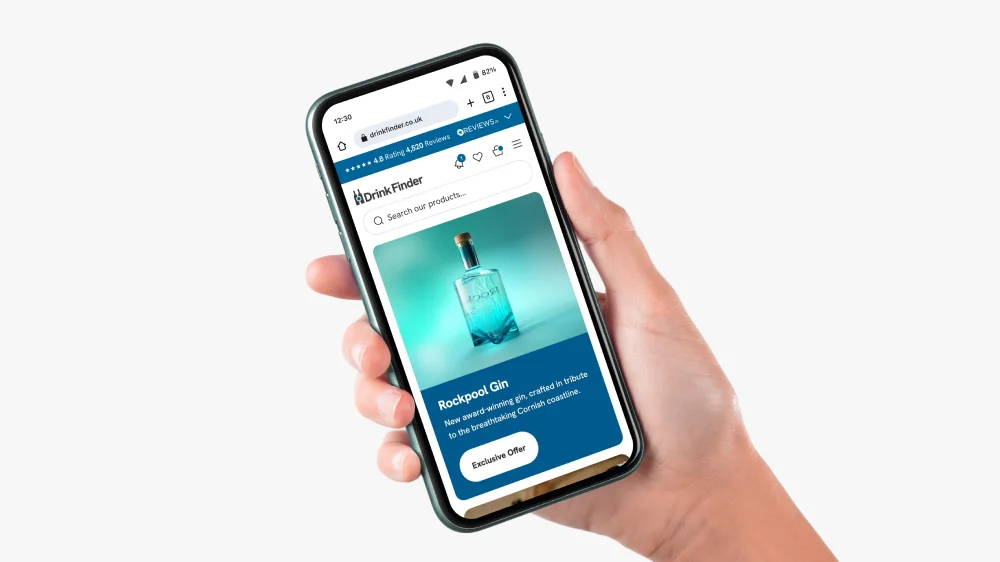
Drink Finder

Bespoke Shopify Subscription UX and UI and design system
Fuzzball

A fresh mobile-first design system and bespoke product page UX
Hartnack & Co
More Shopify Articles
What Is Generative Engine Optimisation (GEO) and Why Every Shopify Brand Needs It in 2026
Getting found online used to mean one thing: ranking on Google. That is still important. But a growing share of product discovery is now happening…
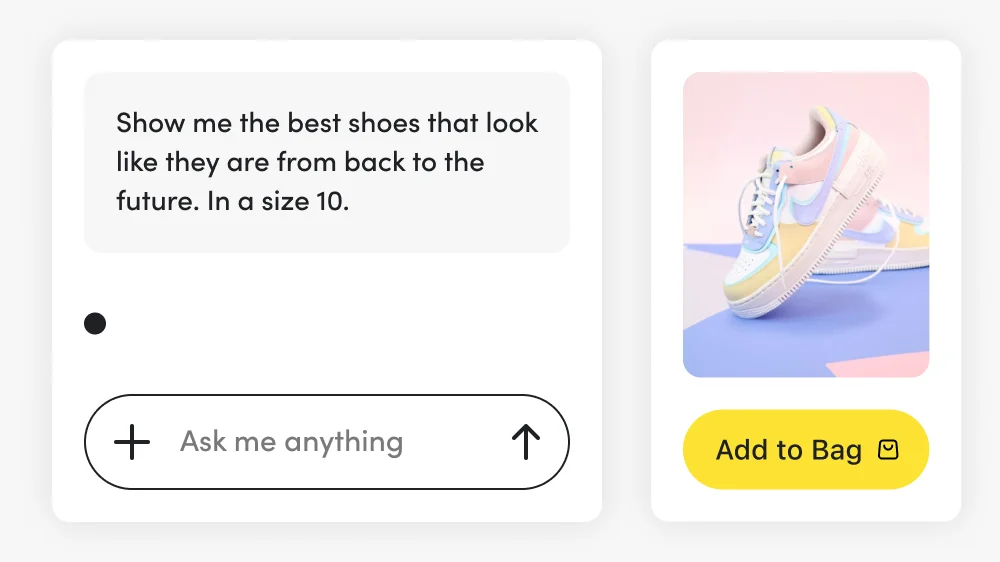
Shopify Agentic Commerce: What UK Brands Need to Know
The way people discover and buy products online is changing faster than at any point since mobile shopping took off. AI assistants are no longer just…
How to Design a Shopify Website in 2026 (And When to Hire Someone Instead)
Designing a Shopify website in 2026 is not the same as it was five years ago. The platform has matured, customer expectations have risen, and the gap…
Shopify Expert
Ready to elevate your store? Start your Shopify transformation today
Shopify expert who can help elevate your store to the next level
20 years of agency and direct client experience, without the high price tag
Network of the best developers, Klaviyo experts & SEO experts perfect for big projects
This site is protected by reCAPTCHA and the Google Privacy Policy and Terms of Service apply.
Get in touch
Registered in England & Wales No. 10575474. Based in Falmouth, Cornwall, UK.