


Introduction
As a Shopify Expert who works with clients on the platform daily, I’ve worked alongside Partners, learned the ecosystem, and seen the difference it makes. The Partner designation is more than just a badge. It signals legitimacy, ongoing training, and direct access to Shopify’s support network. But not all Partners are created equal, and the designation alone doesn’t guarantee quality work. Here’s what you actually need to know.
What is a Shopify Partner?
A Shopify Partner is someone (or a company) officially recognized by Shopify to work with the platform. Partners get access to tools, resources, and support that regular users don’t. They’re vetted by Shopify and have to meet certain standards to maintain their status.
The Partner program is free to join, but not everyone gets approved. Shopify checks your experience, your portfolio, and your business model. Once accepted, Partners get access to development stores, beta features, educational resources, and a direct support line to Shopify’s team. You can verify any Partner through Shopify’s Partner Directory.
Types of Shopify Partners
Not all Shopify Partners do the same thing. The program covers different specializations:
Service Partners (Designers, Developers, Agencies)
These are freelancers and agencies who build, design, and optimize Shopify stores for clients. This is the most common type and includes designers, developers, and full-service agencies. Service Partners work directly with store owners to create custom solutions, migrations, and ongoing support.
App Partners (App Developers)
App Partners create and sell apps in the Shopify App Store. If you’ve ever installed an app for subscriptions, email marketing, or reviews, it was built by an App Partner. They maintain and update these tools for thousands of stores.
Theme Partners (Theme Developers)
Theme Partners design and sell themes in the Shopify Theme Store. These are the pre-built templates you can purchase and customize. Theme Partners follow Shopify’s technical requirements and design standards, which are quite strict.
What Shopify Partners Get Access To
Being a Partner means more than a title. Here’s what Shopify provides:
Development Stores
Partners can create unlimited free development stores to build and test client projects. These stores have full functionality without needing to pay a monthly subscription until they go live. This lets Partners prototype designs, test apps, and build stores properly before launch.
Partner Dashboard
A centralized hub for managing all client stores, tracking development progress, and accessing Shopify’s educational resources. Partners can see performance metrics, manage billing relationships, and handle multiple stores from one interface. Access the Partner Dashboard here.
Early Access to Features
Partners get beta access to new Shopify features before public release. This means they can test updates, understand changes, and prepare client stores ahead of time. When Shopify 2.0 launched, Partners had months to learn the new system before it went live for everyone.
Educational Resources and Training
Free courses, certification programs, webinars, and documentation. Shopify regularly updates Partners on best practices, technical changes, and platform updates through the Shopify Academy. Partners who stay current with this training are more valuable to clients because they understand the platform deeply.
Priority Support
Direct access to Shopify’s support team via dedicated Partner channels. When a client issue needs urgent resolution, Partners can escalate faster than regular store owners. This is especially valuable during launches, migrations, or technical troubleshooting.
Why Working With a Shopify Partner Matters for Your Store
The Partner badge itself doesn’t guarantee quality, but it does indicate someone who:
- Has been vetted by Shopify (not just anyone can join)
- Stays updated with platform changes through ongoing training
- Has access to support channels you don’t as a store owner
- Can build and test your store properly using development environments
- Understands Shopify’s technical requirements and best practices
More importantly, Partners typically work on Shopify full-time or as a core part of their business. Someone doing Shopify design on the side isn’t likely to maintain Partner status or keep up with platform changes. The Partner program encourages specialisation and expertise.
If you’re not sure what else to look for beyond Partner status, here’s a full guide to hiring a Shopify designer in 2026.
How to Verify Someone is a Shopify Partner
Anyone can claim to be a Shopify Partner, but verification is easy:
Ask for Their Partner Page
Legitimate Partners have a profile in the Shopify Partner Directory. Ask them to send you the link. If they hesitate or can’t provide it, that’s a red flag.
Check Their Portfolio
Partners should have case studies or examples of Shopify stores they’ve built. Look for live stores, not just design mockups. Visit the sites, check if they’re actually on Shopify, and see if they function well.
Look for Shopify Badges
Many Partners display the Shopify Partner badge on their website. This is standard practice and easy to verify. However, don’t rely solely on badges. Anyone can put an image on their site. Always cross-check with the official directory.
Shopify Partner vs Non-Partner: What's the Difference?
Here’s what changes when you work with a certified Partner versus someone who isn’t:
Development Environment
Partners build your store in a proper development environment before going live. Non-Partners often build directly on your live store or use workarounds that aren’t ideal. This increases the risk of errors, downtime, and a messy launch process.
Platform Knowledge
Partners have access to ongoing training and updates directly from Shopify. Non-Partners rely on public information, forums, and outdated tutorials. When Shopify releases major updates (like Checkout Extensibility or Shopify Functions), Partners learn about them first and understand how to implement them properly.
Support Access
If something breaks or needs urgent troubleshooting, Partners can escalate to Shopify’s support team directly. Non-Partners have to go through standard support channels, which can take longer and may not get the same level of technical assistance.
Accountability
Partners have a reputation to maintain with Shopify. If they consistently deliver poor work or violate Shopify’s terms, they risk losing their Partner status. Non-Partners have no such accountability. This doesn’t mean every Partner is great, but there’s at least a formal relationship and standards to uphold.
Red Flags When Hiring Someone Who Claims to be a Shopify Partner
Even if someone is a Partner, watch for these warning signs:
- They can’t or won’t share their Partner page – Every Partner has a public profile. If they dodge this request, they’re probably not a Partner.
- No Shopify-specific portfolio – Shopify design is different from WordPress or Wix. If their portfolio is mostly other platforms, they’re not specialists.
- Vague about their process – Partners understand development stores, theme customization, and app integration. If they can’t explain their workflow clearly, that’s concerning.
- Promises features Shopify doesn’t support – Shopify has limitations. If someone guarantees something that sounds too good to be true (like unlimited product variants or custom checkout pages on standard plans), they don’t understand the platform.
- They’re overly reliant on apps – Good Partners know when to use apps and when to build custom solutions. If their answer to every requirement is ‘there’s an app for that,’ they might lack technical depth.
The Partner Badge Doesn't Guarantee Quality
Being a Shopify Partner is a baseline, not a ceiling. The program has different tiers (Member, Partner, Expert, Plus Partner), and requirements vary. Some Partners specialise in migrations, others in design, others in development. Some work with massive brands, others with small startups.
What matters more than the badge itself:
- Their actual portfolio and case studies
- Client testimonials and reviews
- How well they understand your specific business needs
- Their communication style and process transparency
- Whether they specialise in your industry or store type
Use the Partner status as a filter, not a final decision. It confirms they’re legitimate and have access to the right tools, but you still need to evaluate their actual work and fit for your project.
Questions to Ask When Hiring a Shopify Partner
Before committing to any Partner, ask:
- Can you show me your Partner page and portfolio of Shopify stores?
- How long have you been a Shopify Partner?
- What’s your process for building or optimizing a store?
- Do you specialize in any particular industry or store type?
- What happens if something breaks after launch?
- How do you handle ongoing support and maintenance?
- Can you provide references from previous Shopify clients?
Conclusion: The Bottom Line on Shopify Partners
A Shopify Partner is someone officially recognized by Shopify to work with the platform. They get access to development tools, training, support, and early feature access that non-Partners don’t. This makes them better equipped to build, optimize, and maintain Shopify stores.
The Partner badge is a good starting filter when hiring. It confirms legitimacy, ongoing education, and platform expertise. But it’s not a guarantee of quality. You still need to evaluate their portfolio, process, and fit for your specific needs.
Always verify Partner status through Shopify’s official directory. Ask for case studies. Check references. And make sure they specialize in what you actually need, whether that’s design, development, migration, or optimization.
Working with a qualified Shopify Partner means working with someone who understands the platform deeply, stays current with changes, and has the support network to handle complex projects properly. For most store owners, that peace of mind is worth prioritizing.
Looking to work with a Shopify specialist who understands design, UX, and the platform ecosystem?
See how I create conversion-focused Shopify stores that combine design expertise with deep platform knowledge.
Frequently Asked Questions About Shopify Partners
Yes, the Shopify Partner program is completely free to join. There are no upfront fees or monthly costs. However, Shopify does review applications and not everyone is automatically accepted. You need to demonstrate relevant experience and have a legitimate business purpose for joining.
Shopify Plus Partners are certified to work specifically with Shopify Plus (Shopify’s enterprise-level platform). They have additional training, higher standards, and experience handling large-scale, high-volume stores. Regular Partners can work with standard Shopify plans. If you’re on Shopify Plus or considering it, look for a Plus Partner specifically.
No, you can build a Shopify store yourself or hire anyone you want. The Partner designation isn’t mandatory. However, working with a Partner gives you access to someone who has proper development tools, ongoing training, and direct support from Shopify. For custom builds, migrations, or complex stores, a Partner is usually the safer choice.
Check the official Shopify Partner Directory. Every legitimate Partner has a profile there. Ask the person or agency for their Partner page link. If they can’t provide it or make excuses, they’re likely not a Partner.
Not necessarily. Pricing depends on experience, location, and project scope, not Partner status. Some Partners charge premium rates because of their expertise and track record. Others are competitively priced. What you’re paying for is access to someone with proper tools, ongoing training, and platform expertise. That often saves money in the long run by avoiding costly mistakes.
Shopify Partners provide services related to the Shopify platform. This includes designing and building stores, developing custom apps, creating themes, managing migrations from other platforms, optimizing existing stores for conversion, and providing ongoing support and maintenance. The specific services vary depending on whether they’re a designer, developer, or agency.
No. Partners need you to grant them access through collaborator permissions or staff accounts. You control what level of access they have and can revoke it anytime. Partners cannot access your store, customer data, or settings without your explicit permission. Always review what permissions you’re granting before approving access.
Yes, Partners can earn revenue share from Shopify for stores they build or manage. When a Partner-built store pays monthly subscription fees, the Partner receives a percentage. This creates an incentive for Partners to build successful, long-lasting stores. However, this doesn’t affect what you pay. Your Shopify subscription costs the same whether you work with a Partner or not.
Not necessarily, but location can matter for communication, timezone overlap, and understanding of local markets. UK-based Partners understand UK payment methods, GDPR compliance, and British customer expectations better than someone unfamiliar with the market. However, many Partners work successfully with international clients. What matters most is their expertise, portfolio, and communication style.
The terms are often used interchangeably, but technically Shopify Expert was the old name for what’s now called Shopify Partner. The Expert designation is still used informally and appears in some parts of Shopify’s ecosystem (like the Expert Marketplace), but the official program is now the Shopify Partner Program. If someone says they’re a Shopify Expert, ask if they’re an official Partner and verify through the directory.

This article was written by Anthony Bliss, a Shopify Expert & Freelance Shopify Designer specialising in UX and UI design for DTC brands. With 20+ years of design experience and 6+ years focused exclusively on Shopify, Anthony helps brands create stores that convert.
Let’s create your Shopify success story
Shopify Success Stories

Shopify Migration with Custom & Conversion focussed UX
Drink Finder

Bespoke Shopify Subscription UX and UI and design system
Fuzzball

A fresh mobile-first design system and bespoke product page UX
Hartnack & Co
More Shopify Articles
What Is Generative Engine Optimisation (GEO) and Why Every Shopify Brand Needs It in 2026
Getting found online used to mean one thing: ranking on Google. That is still important. But a growing share of product discovery is now happening…
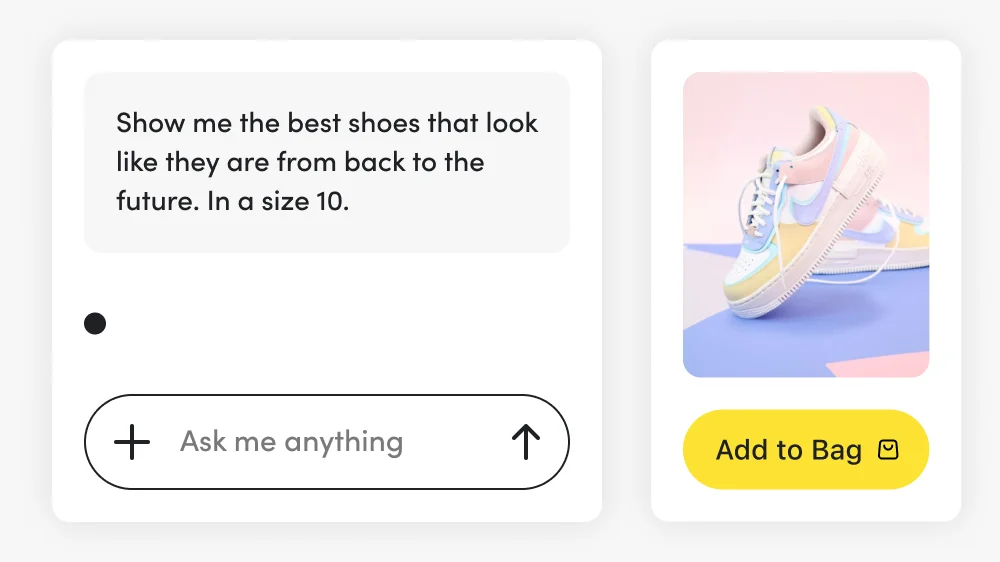
Shopify Agentic Commerce: What UK Brands Need to Know
The way people discover and buy products online is changing faster than at any point since mobile shopping took off. AI assistants are no longer just…
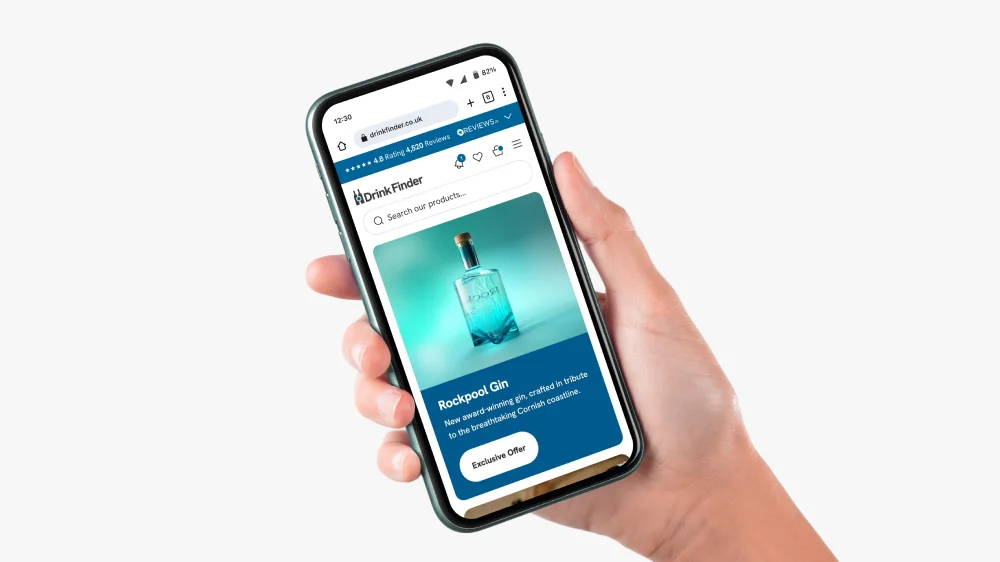
How to Design a Shopify Website in 2026 (And When to Hire Someone Instead)
Designing a Shopify website in 2026 is not the same as it was five years ago. The platform has matured, customer expectations have risen, and the gap…
Shopify Expert
Ready to elevate your store? Start your Shopify transformation today
Shopify expert who can help elevate your store to the next level
20 years of agency and direct client experience, without the high price tag
Network of the best developers, Klaviyo experts & SEO experts perfect for big projects
This site is protected by reCAPTCHA and the Google Privacy Policy and Terms of Service apply.
Get in touch
Registered in England & Wales No. 10575474. Based in Falmouth, Cornwall, UK.